Nous reproduisons ici, en anglais (langue de sa publication originale sur le blog de l’auteur) un article très utile du camarade ukrainien Vladislav Starobubtsev, dont nous avons déjà publié des contributions, sur la situation dans l’armée ukrainienne.Dans quelques minutes, également en Une d’Aplutsoc, la traduction française. La rédaction.
Texte en anglais (version française plus bas).
Ukraine has shocked the international community. In just the past few weeks, the government was dismissed for undisclosed reasons; Ukrainians took to the streets to demand the reappointment of Defence Minister Mykhaylo Fedorov and later broadened their demands to include the replacement of General Syrskyi, Commander-in-Chief of the Armed Forces of Ukraine. All of this has unfolded amid seemingly positive news coverage: Ukraine managed to block Russian Starlink terminals, expand its campaign of medium-range strikes, impose a partial blockade on Crimea, and launch a campaign of so-called ‘long-range sanctions’ against Russian refineries. The situation appeared far from critical; nevertheless, the political climate changed within a single day.

The government after the NABU protests.
The government of Yulia Svyrydenko was formed as a crisis-management administration amid the turmoil of the Mindich corruption scandal and the NABU protests; it was tasked with stabilising the immediate political situation, implementing economic reforms, navigating the winter, and finding a way out of an emerging military defeat in Pokrovsk. Yulia Svyrydenko was a highly loyal and politically unambitious figure. Coming from the circle of the pre-full-scale-invasion Minister of Economy Timofiy Mylovanov, she was first brought in to address a ‘trade-union monopoly’ and help pass a regressive labour code. This time, with a more senior position, expectations rose accordingly. Fedorov was not initially part of the government; however, after the previous Minister of Defence, Denys Shmyhal, was removed from office, Fedorov took his place.
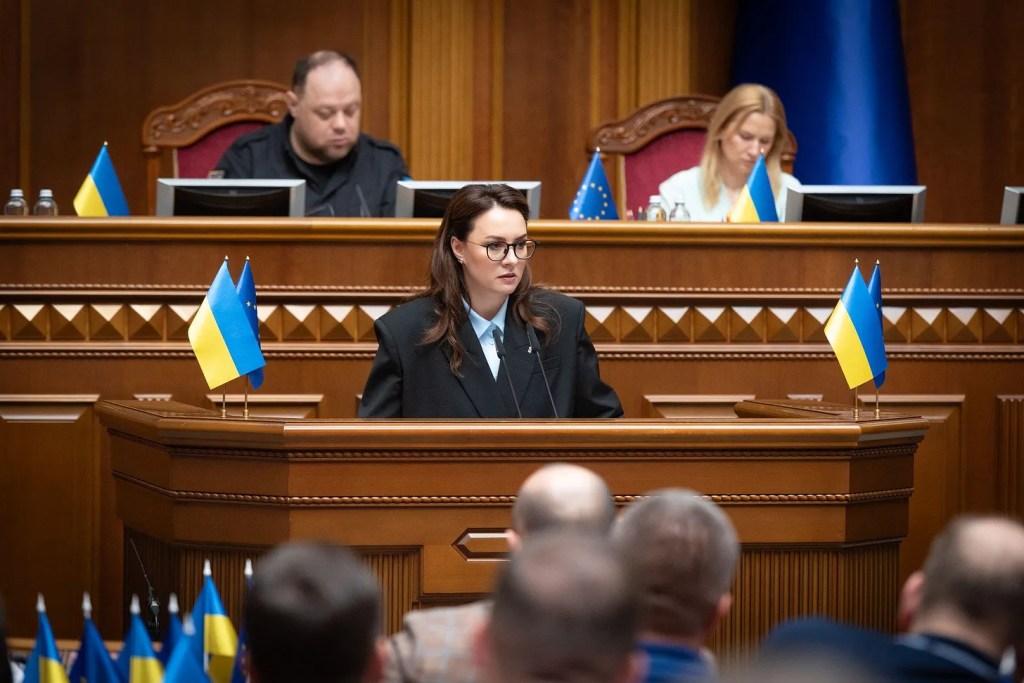
Coming from a similar background and perspective, former Minister of Digital Transformation Mykhaylo Fedorov was appointed Minister of Defence. Fedorov, a former member of the Ukrainian Libertarian Party ‘5.10,’ lobbied after the full-scale invasion for ‘mass privatisation’ and a moratorium on the development of state enterprises, policies that were harmful to Ukraine and strategically damaging in the long term. He also lent his political support to the privatisation of the port ‘Ust-Dynaisk,’ which created strategic risks and was associated with several corruption scandals in Ukraine.
At the Ministry of Digital Transformation, however, Fedorov introduced important innovations, such as the ‘Diia’ state app and the ‘Delta’ military coordination system; he also digitised many bureaucratic processes that could then be completed with virtually one click. These changes were achieved through a number of compromises and shortcuts, including making Ukraine’s data infrastructure dependent on Amazon Web Services and Palantir. Nonetheless, tangible progress was made. At the same time, the Ministry expanded its influence in the military sphere and rapidly helped to create what might be called an ‘IT wing’ of the Armed Forces of Ukraine. It also introduced a number of effective reforms and mechanisms, including an ‘e-points’ system that allowed units to claim rewards — such as additional gear and equipment — for recorded successful strike.
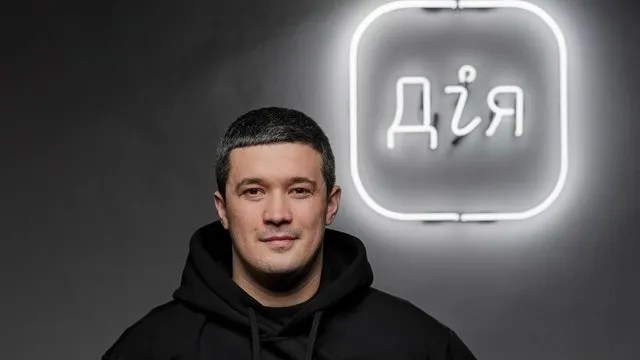
Importantly, the Ministry was among the first to promote the integration of new large language model (LLM) technologies into target-recognition systems, contributing to Operation ‘Spy-web’ and laying the groundwork for further progress in that field. It also participated in drone-related software development and procurement and, more broadly, assumed some responsibilities of the Ministry of Defence. Thus, appointing Fedorov as Minister of Defence seemed a logical continuation of that trajectory.
Fedorov served as Minister of Defence from 14 January to 16 July 2026. He brought an effective media team to the Ministry, along with various ‘outsiders’ to Ukrainian politics, including prominent figures from military and humanitarian volunteer circles, such as the fundraiser and media influencer Serhiy Sternenko and the well-known military radio-technology blogger Serhiy Flash. Overall, this signalled a distinct change, even if it was partly a stunt. Immediately after taking office, Fedorov negotiated a Starlink agreement with Elon Musk and, working rapidly with the military high command, registered Ukrainian Starlink terminals while depriving Russian forces of stable communications and Starlink-guided drones.
It was a major success that contributed, to some extent, to the defeat of the Russian winter offensive. Medium-range strikes were also scaled up, and initiatives such as the ‘drone line’ were introduced. These developments also built on earlier initiatives: establishing the first unmanned ground-vehicle company in the Third Assault Brigade, followed by the world’s first such battalion in the K2 Regiment; creating ‘kill zones’ — areas saturated with drones that made Russian offensive operations much more costly. All of this was an achievement not only of the Ministry of Defence but also of the Armed Forces of Ukraine as a whole, including the high command and brigade, battalion, and company commanders.

It is also worth noting that new contracts with substantially more favourable conditions than earlier ones were introduced for the Ukrainian Army. There were controversies as well. To finance some initiatives, Fedorov drew money from the fund reserved for soldiers’ wages. If the issue had not been resolved and replacement funds had not been found, this decision could have triggered a serious crisis in the Armed Forces. It was a calculated gamble; however, the crisis was averted, and additional funds were found to replenish the wage fund.
It is important not to overstate the ‘innovation versus conservatism’ angle, because the Unmanned Systems Forces were, in many respects, created under Syrskyi, including through the appointment of Magyar as their commander. The dispute concerned competing visions and interests rather than technology alone. The conflict between the Ministry of Defence and the military high command centred on three main issues:
- Corps reform. This involved creating operational theatres whose commanders would have direct visibility, communication, and a degree of control over supplies and units in their sectors, allowing units to coordinate properly and maintain operational cohesion and predictability. The Ministry of Defence wanted to strengthen the corps system, while Syrskyi pushed to create an increasing number of units outside it and under the direct control of the high command. Syrskyi created division-level formations outside the corps system and micromanaged them to perform what was effectively ‘fire control’ along the front line.
- Spending priorities and vested interests. The high command under Syrskyi sought to purchase more artillery shells, some of them short-range, but the Ministry of Defence cancelled these purchases in favour of drones. Such disputes reveal a substantive difference in priorities. Although drones play a significant role on the battlefield, artillery, including tube artillery, will remain indispensable. It remains highly effective in urban combat and all-weather warfare. However, questions of efficiency and the influence of industrial oligarchs arose because many such contracts were reportedly affected by vested interest, corruption, and full of non-optimal or outright pointless decisions.
- This brings us to the third — and apparently most important — issue, which is widely suggested to have been the main reason for dismissing the entire government: reform of military-production contracts. The reform amounted to an attempt to make military procurement more transparent by establishing a clear process for awarding contracts and selecting suppliers. It directly threatened the financial interests of an emerging oligarchy, as well as those of its alleged beneficiaries in Parliament. These were rumoured to include members of Zelenskyi’s party, such as Arakhamia and Hetmantsev, along with numerous Syrskyi-appointed figures in the military high command and defence-industry leaders. According to numerous insiders and military and political analysts, the disruption of what appeared to be extreme profiteering was the principal reason for the government’s dismissal. The other ministries appear to have been caught in the crossfire between the Ministry of Defence and the defence-sector oligarchy.
Dismissal of the government
The government was dismissed without explanation, and several days passed before the main reasons became clear for the public. This lack of accountability — especially given the Ministry of Defence’s general success and the positive public response to its changes — sparked protests demanding Fedorov’s return as minister. The protests quickly broadened to call for Syrskyi’s resignation. One factor contributed to their rapid expansion and new demands. Just a few weeks before the government’s collapse, the Ukrainian investigative outlet ‘Babel’ published an investigation into one of Syrskyi’s micromanaged regiments, the 425th ‘Skelya,’ a de facto division. It reported practices that had long been widely known but self-censored: torture, abuse, prison-like conditions, inhumane treatment, and preventable non-combat deaths resulting from mistreatment and torture. The investigation was met with government pressure on the journalists and opened the floodgates to a wider discussion of military brutality and Syrskyi’s governing style.

The Ukrainian Army’s ‘Me Too’ moment.
The investigation into the 425th reported not merely isolated incidents but an alleged system of torture and penal units, commanders intertwined with criminal organisations, and the slave-like treatment of soldiers. The 425th was known for heavy losses and ‘meat-assault’ tactics that treated human life as expendable. These units expanded rapidly
In 2025, conservative military high Command tried to increase criminal responsibility and punishment for desertion and AWOLs, majority of which were happening from “Syrskyi’s units.” Civilian protests stopped that effort. It was one of the signs of a systemic attempt to restrict soldiers’ rights and adopt a more ‘Russian-style’ approach to warfare.
On 30 July, ‘Texty’ published its own investigation into the 225th Assault Regiment — another of Syrskyi’s ‘children.’ Texty reported cases of torture, including executions and firing squads, as well as the use of bomber drones against own Ukrainian soldiers for ‘disciplinary purposes.’ It also published an audio recording of the 225th’s commander, Oleh Shyriiyaev, saying: ‘There is no such thing as “our guys” … everyone who moves — is an enemy; all who run from the position — deserters — are also enemies.’
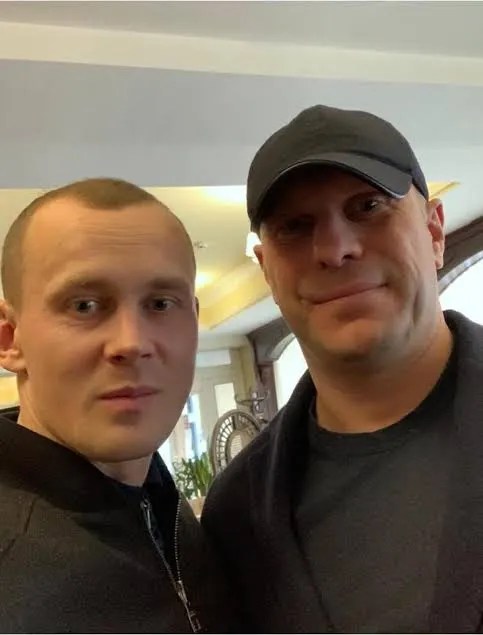
Oleh Shyriiaev (on the left) – commander of 225th. In 2021 – local leader of pro-Russian organization of OPZZH party, engaged in criminal activities
Zelenskyi decided to compromise with the protest movement and dismiss Syrskyi. A new government was appointed without a permanent Minister of Defence; instead, Yevhen Khmara, a general-major with a good reputation, was made acting minister. However, the appointment appeared to be damage control intended to protect Zelenskyi’s reputation after Fedorov’s dismissal rather than part of a coherent strategy. What followed (and continues) is a series of damage-control efforts by the President without Fedorov’s return to the Ministry. The semi-official explanation is that Fedorov is too prone to conflict, making the arrangement unworkable.
Replacing Syrskyi: where are the officers?
The Ukrainian Army operates on a principle of negative selection. It has created a system in which loyal but untalented officers rise to the top, capable officers receive limited authority, and those who disagree or voice concerns are removed from their posts. The system deteriorated further under Syrskyi. One might also suspect an effort to eliminate competitors. Some military analysts, such as Taras Chmyt, head of the ‘Come Back Alive’ foundation, have suggested that Syrskyi assigned to perceived rivals missions deliberately designed to fail, thereby creating grounds to discredit or dismiss them.
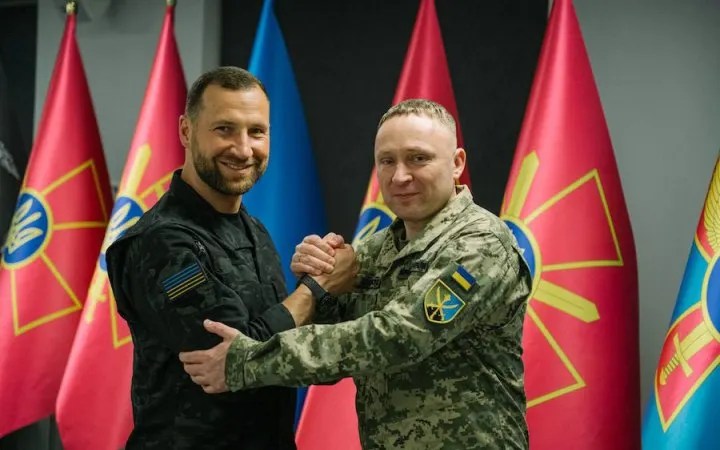
Khmara and Drapatiy – one of the most respected high ranking officers in Ukraine.
Combined with the suppression of criticism, false information, and closed feedback loops, this approach created a mounting accumulation of problems. In May 2025, Oleksandr Shyrshyn, a battalion commander in the 47th Brigade ‘Magura,’ wrote on Facebook: ‘While carrying out missions in the Kursk region and along the Ukrainian-Russian border, I encountered assignments that, by every indication, were doomed to fail and exposed personnel to a high risk of unjustified casualties.’ He later added: ‘More idiotic tasks than the ones on my current assignment [Kursk operation] — I haven’t had. I’ll tell the details someday, but this brainless waste of people and the trembling before incompetent generals leads to nothing but failures.’
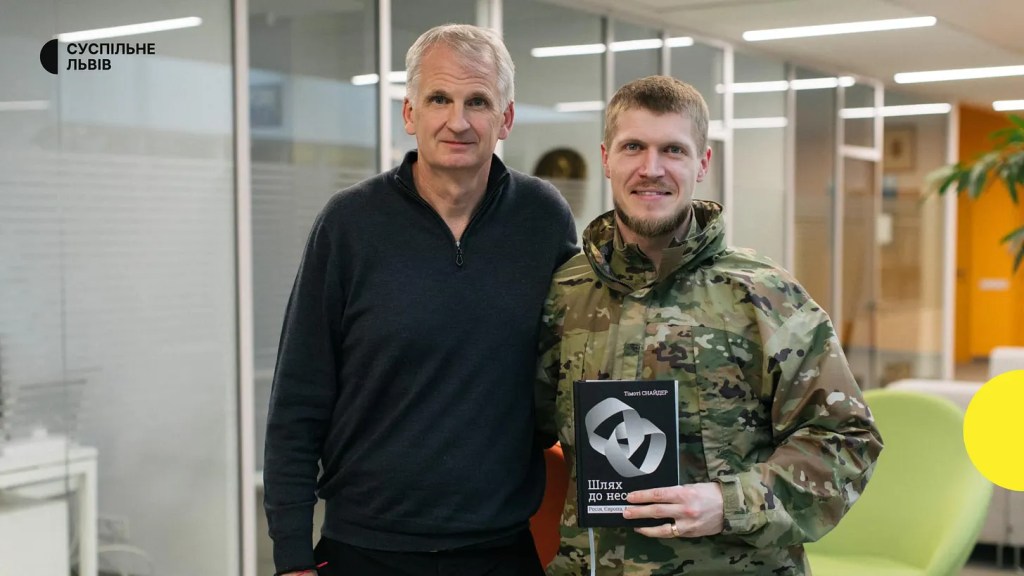
Oleksandr Shyrshyn with Timothy Snyder
His statement drew condemnation from prominent commanders, including Dmytro Yarosh, head of the Separate Volunteer Regiment; Brodi Magyar, head of the Unmanned Systems Forces; and commanders of the 1st Separate Assault Regiment, as well as the previously mentioned 425th and 225th units. For his insubordination, Shyrshyn faced pressure from prominent brigade commanders, the military high command, and Syrskyi, who said that ‘Shyrshyn plays politics.’
Just after the investigation from Texty, Shyrshyn posted that 225th openned artillery fire against their unit.
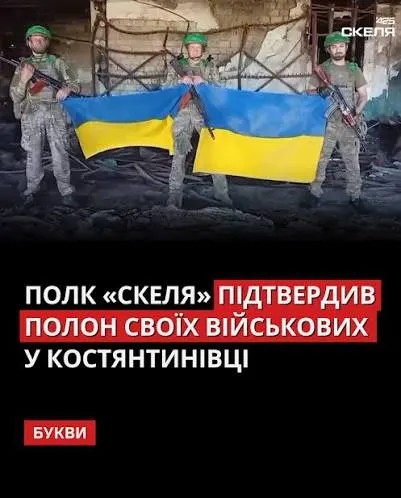
The current structure of the Armed Forces of Ukraine forces many commanders into a difficult choice. To obtain the funding on which their units and their soldiers’ survival depend by displaying loyalty and joining political manoeuvring, or show disloyalty and risk losing support and be put to do aforementioned ‘idiotic tasks’ with high casualties. This was especially apparent during the first week of the protests, when orders were reportedly issued to restrict soldiers’ participation, pressure them, publish favourable statements about Syrskyi, and so forth. One of the most striking propaganda manoeuvres involved the 425th ‘Skelya’ sending soldiers to place a Ukrainian flag in Russian-controlled territory for a media stunt. Predictably, the soldiers who risked their lives for that stunt were captured by Russian forces.
Before Khmara was chosen as acting Minister of Defence, the National Guard units ‘Azov’ and ‘Khartiya’ backed Ihor Klymenko, the former Minister of Internal Affairs, who in some respects represented the National Guard’s interests and was, for a time, rumoured to be a possible replacement for Fedorov.
That said, the Army struggles to develop talented, initiative-taking officers, and the pool of figures capable of replacing Syrskyi was limited. The closed nature of Ukrainian politics has produced a similar shortage of candidates for Minister of Defence. Ukraine faces serious deficits in both strategic-level command capacity and overall officer quality. This negative selection poses a serious threat and cannot be corrected quickly.
Of all the candidates, Zelenskyi chose Drapatiy as the new Army commander, prompting a wave of optimism because Drapatiy has a good reputation in the Army and has demonstrated competence and responsibility. He is also the first commander of the Armed Forces to have served in combat during this war.
The mobilisation problem
Units such as the 225th and 425th have damaged the Army’s reputation. In 2025, they received the largest numbers of mobilised personnel, suffered losses four or five times greater than those of other units performing comparable tasks, and treated soldiers inhumanely. However, although they worsened the situation, they were not the main cause of Ukraine’s manpower shortage; the problem already demanded a solution in 2023. Ukraine does not mobilise enough people to wage war effectively. Although manpower shortages sometimes drive innovation and adaptation, they have also caused more casualties, exploitable gaps along the front line, and deteriorating situation with rotations.
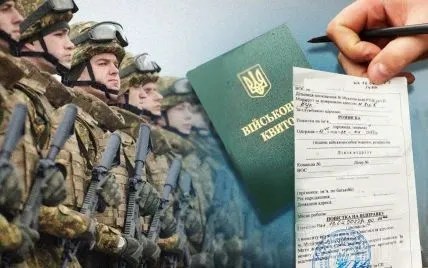
Since 2023, politicians have shown a strong tendency to appease what journalist Pavlo Kazarin calls the ‘Party of Draft Dodgers’ — a substantial electoral constituency whose primary interest is avoiding mobilisation. Seeking to preserve a ‘business as usual’ approach to civilian life, the government resisted expansions of mobilisation, prioritising short-term reputational gains over the long-term interests of the country and its people. To compensate for insufficient recruitment, the government increased soldiers’ workloads and strengthened criminal penalties for absence without leave and desertion. The Army’s more conservative leadership, in turn, imposed stricter disciplinary measures across the board, ironically causing the AWOL and desertion crisis to spiral. Excessive workloads, danger, poor general conditions, and incompetent officers further intensified the crisis out of control.
At the same time, private-sector interests also played a role, as businesses sought control over the distribution of mobilisation exemptions. In an unprecedented legalisation of corruption, the government allowed ‘economically significant’ businesses to grant exemptions at their discretion. In practice, this law completely exempted an entire wealthy class from mobilisation, created a legal market in which exemptions are sold, and established a powerful mechanism for exploiting ordinary citizens. Companies began deliberately creating low-paid jobs with guaranteed exemptions. In such positions, labour violations are often ignored because employees fear losing their exemption if they speak out. The military likewise contains posts that exist solely to shield individuals from combat, as well as ineffective positions created by bureaucratic stagnation that should be eliminated or restructured.
By its nature, this system exempted much of the urban middle and professional classes while placing an overwhelming mobilisation burden on lower-income groups and rural regions. It also created a significant shortage of university-educated soldiers for a growing number of technical tasks, particularly in logistics and military administration. The resulting sense of injustice surrounding mobilisation contributed to its negative public image.
Another factor driving people to evade the draft is the indefinite duration of service, the lack of clarity about the roles and units to which they will be assigned, and the workload and pressure they are likely to face due to manpower shortage. This creates a vicious cycle: poor conditions are partly a response to personnel shortages, yet those shortages are themselves aggravated by poor conditions.
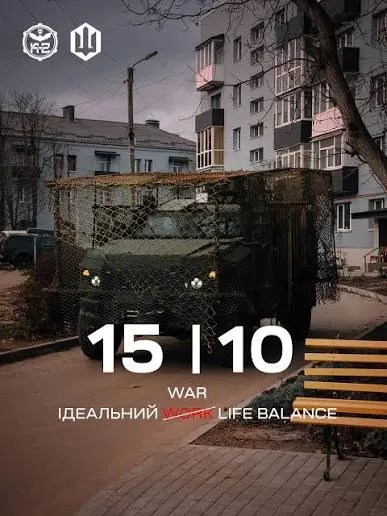
Nonetheless, new approaches are emerging. The K2 unit pioneered two important programmes: the ‘15-10’ initiative, meaning ‘15 days in combat and 10 at home’ for certain roles; and an ‘AWOL return’ programme with no questions asked, under which the brigade handles the administrative process of resolving disputes with a soldier’s previous unit and regularising the legal situation. If these approaches are expanded and the Army increasingly adopts a ‘citizen-soldier’ model in which soldiers are respected people with rights, rest, family time, hobbies, education, and other pursuits, then there is a chance to reverse the mobilisation crisis and in general improve the situation overall.
At the same time, the divide between civilian and military life cannot remain as stark as it is today. The government should broaden mobilisation, introduce new categories, and bring draft evaders back into the system. To survive, Ukraine needs a new social contract in which civilian life includes military and first-aid trainings, as well as participation in drone production, while soldiers’ lives include rest and time outside military service. Mobilisation should no longer rest on unsustainable and unjust compromises.
Recently, Zelenskyi stated that Russia would most likely declare a general mobilisation in the autumn and seek to mobilise at least 500,000 additional soldiers. Ukraine would need to mobilise proportionately 100,000-300,000 people to counter that move. With virtually no reserves and already substantial gaps along the front line, Russia could trigger a collapse resembling the one it suffered during Ukraine’s 2022 Kharkiv counteroffensive if its logistics can sustain major attacks on multiple fronts, exploit those gaps, and prevent Ukrainian reinforcements from reaching them. There is also a continuing threat that Belarus could join the war. Although Belarus alone would not pose a major threat, its involvement could overstretch the Ukrainian Army if Russia also mobilised additional forces.
Ballistic threats, the state of the front line, winter, and other risks
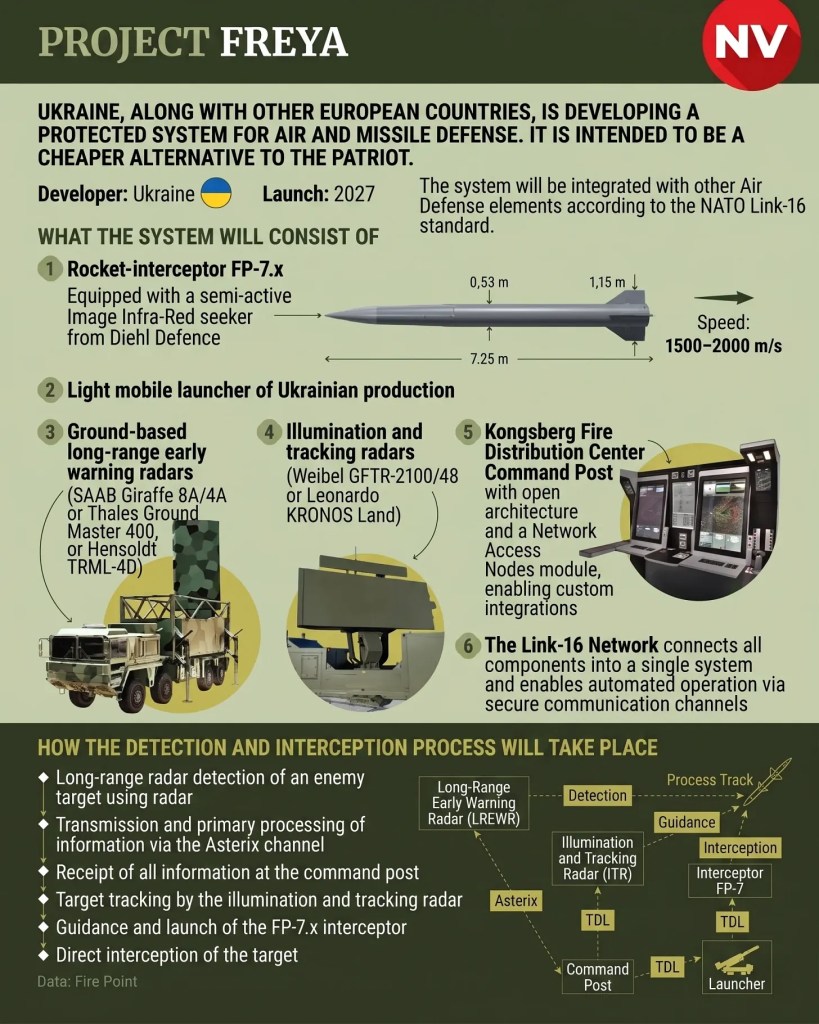
Recently, Trump announced that he was withdrawing from his agreement with Zelenskyi on licensed Patriot production. Ukraine is pursuing its own anti-missile defence system, a programme that will test the country’s capabilities. Developing and then producing such interceptors is an expensive and lengthy process, leaving Ukraine vulnerable in the near term to intensifying Russian missile strikes. There is discussion of targeting Russian launch systems and missile-production facilities however these are highly sophisticated operations requiring extensive intelligence and precise coordination. And in the end, even such actions cannot replace effective air-defence systems.
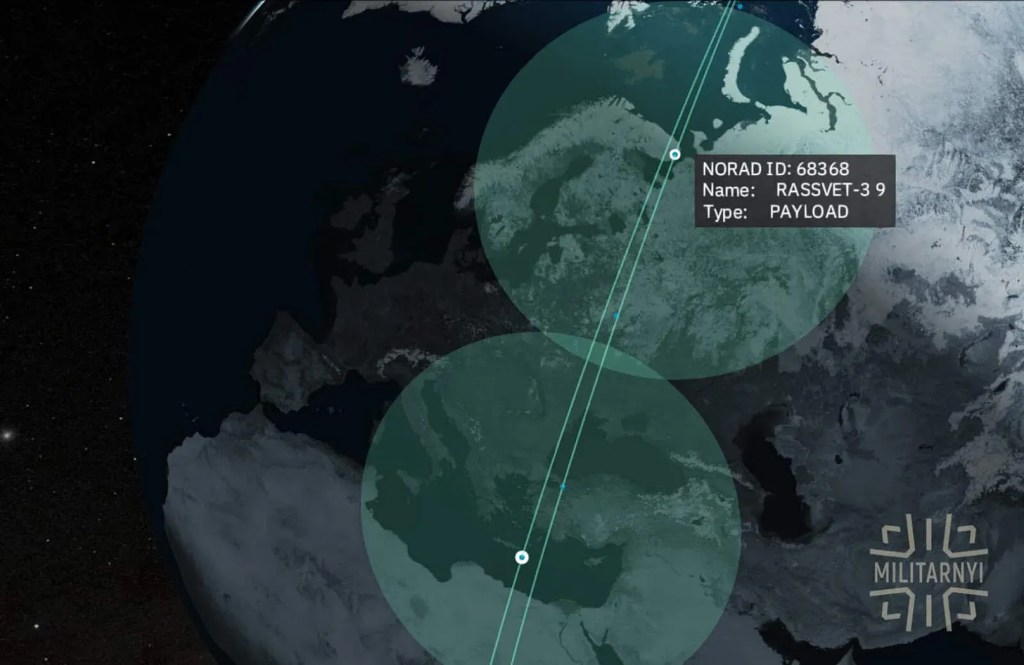
Russia’s already developed and tested of a Starlink analogue ‘Sunrise,’ that can be mounted on a drone for direct guidance places additional pressure on Ukrainian air defences. These capabilities are unlikely to alter the course of the battlefield, but they all but guarantee a very difficult autumn and winter for civilians, as well as heightened risks to military-production facilities, training centres, and other high-value targets.
On the front line, Konstantynivka is semi-encircled. Ukraine stabilised the front and gained a tactical advantage after its defeat at Pokrovsk; however, it still faces threats in Zaporozzhia and elsewhere. Russia suffered massive losses during its winter assault and has since sustained roughly 30,000 documented casualties per month, temporarily weakening its Army and confronting it with a mobilisation dilemma. Russia’s current strategy is no longer sustainable: recruitment is dwindling while casualties are rising, a trend that will probably force a change in tactics in late 2026.
Overall, on both sides there is an accumulation of long-term systemic problems, and the future would be decided, how both sides are dealing with them. The dynamic and somewhat unexpected situation with Ukrainian protests can improve the situation, and there are high hopes for the new Commander-in-Chief. All the while the situation with MoD remains open.
Vladislav Starodubtsev, 01/07/26.

